Smithfield Pork Tenderloin Cooking Instructions: A Comprehensive Guide
Discover expertly crafted guidance for preparing Smithfield pork tenderloin, from thawing to flavorful marinades, cooking methods, and delightful serving suggestions – a culinary journey!
Understanding Smithfield Pork Tenderloin
Smithfield pork tenderloin represents a premium cut, celebrated for its tenderness and versatility in the kitchen. Understanding its characteristics is key to achieving optimal cooking results. This cut originates from the pig’s loin, specifically the psoas major and minor muscles, resulting in a lean and incredibly flavorful piece of meat.
Unlike pork chops, tenderloin is long and narrow, requiring different cooking approaches. Smithfield’s commitment to quality ensures consistent cuts, making it a reliable choice for home cooks. The company’s dedication extends to partnerships, like the collaboration with Stemilt Growers, showcasing pork’s compatibility with fresh produce.
Knowing the source and quality of your pork tenderloin significantly impacts the final dish, and Smithfield consistently delivers a product that meets high standards for taste and texture. This foundational understanding sets the stage for mastering various cooking techniques.
What is Pork Tenderloin?
Pork tenderloin is a long, narrow, and exceptionally tender cut of meat from the pig’s loin. Often mistaken for pork chops, it’s a distinct muscle running along the backbone, known for its mild flavor and lean profile. This makes it incredibly versatile, absorbing marinades beautifully and cooking quickly.
Its tenderness stems from the fact that it’s a muscle with minimal use, resulting in a delicate texture. Unlike tougher cuts, tenderloin doesn’t require lengthy braising; quick cooking methods like roasting, searing, or grilling are ideal.
Because of its leanness, it’s crucial to avoid overcooking, which can lead to dryness. Understanding its composition – a relatively small muscle – helps in determining appropriate portion sizes and cooking times. It’s a fantastic option for health-conscious individuals seeking a flavorful protein source.
Smithfield Specifics: Quality and Cuts
Smithfield pork tenderloin distinguishes itself through a commitment to quality, starting with carefully selected breeds and raising practices. They prioritize animal care and employ stringent quality control measures throughout the entire process, ensuring a consistently tender and flavorful product.
Smithfield typically offers pork tenderloins that are fully trimmed, meaning the silver skin and excess fat have been removed, saving you preparation time. Their cuts are known for their uniform size and shape, promoting even cooking.
You’ll generally find Smithfield tenderloins packaged individually, often with suggested recipes or cooking tips. Their dedication to freshness and consistent quality makes them a reliable choice for home cooks seeking a premium pork experience, simplifying meal preparation.
Preparing the Pork Tenderloin
Before cooking, proper preparation unlocks the full potential of your Smithfield pork tenderloin. Begin by safely thawing the tenderloin – ideally in the refrigerator overnight. Once thawed, a quick rinse under cold water and a pat dry with paper towels are essential. Inspect the tenderloin for any remaining silver skin, a tough membrane that can hinder tenderness if not removed.
Trimming this silver skin is a crucial step, easily achieved with a sharp knife by sliding it under the membrane and gently lifting. Consider a marinade to infuse flavor; options range from sweet and savory to herb-infused blends.
Allowing the tenderloin to marinate for at least 30 minutes, or even overnight, significantly enhances its taste and juiciness, setting the stage for a delicious meal.
Thawing and Initial Prep
Safe thawing is paramount when preparing Smithfield pork tenderloin. The recommended method is overnight refrigeration, ensuring a consistent and safe temperature throughout the thawing process. For quicker thawing, submerge the sealed tenderloin in cold water, changing the water every 30 minutes. Avoid thawing at room temperature, as this can promote bacterial growth.
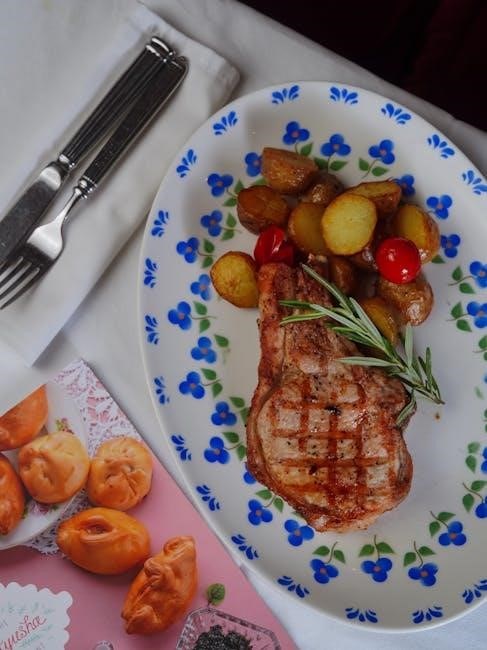
Once thawed, remove the tenderloin from its packaging and pat it dry with paper towels. This removes excess moisture, allowing for better searing and marinade absorption. A visual inspection for any ice crystals is helpful, ensuring complete thawing.
Initial preparation also includes a quick rinse under cold water to remove any potential surface contaminants, preparing it for further trimming and flavoring.
Trimming Silver Skin
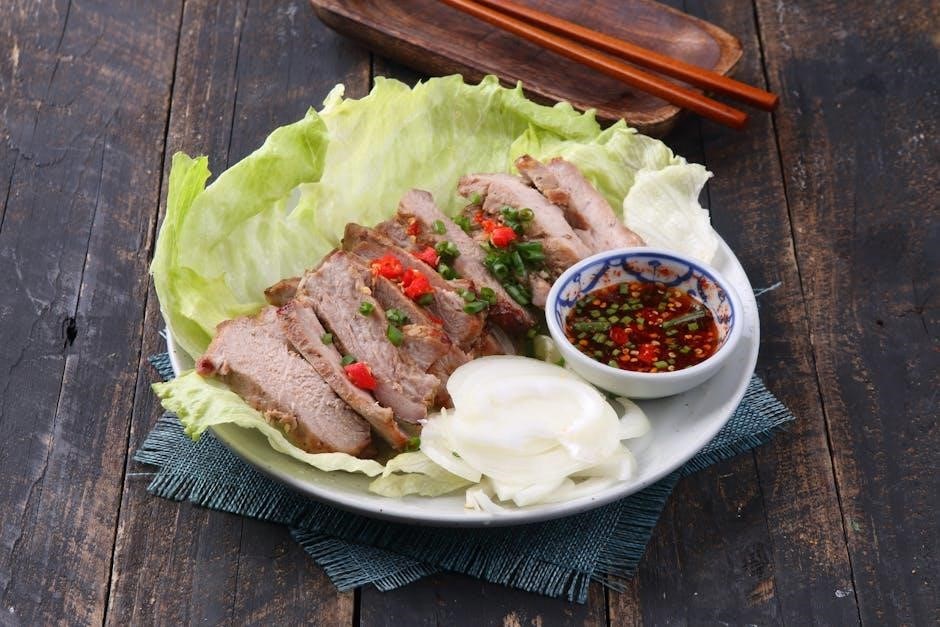
Removing the silver skin from your Smithfield pork tenderloin is crucial for tenderness. This thin, silvery membrane doesn’t break down during cooking, resulting in a chewy texture. To remove it, slide a sharp knife under the edge of the silver skin at one end of the tenderloin.
Gently angle the blade upwards, keeping it close to the membrane, and carefully slide it along the length of the tenderloin, lifting the silver skin as you go. A firm grip on the lifted skin helps maintain control.
Repeat this process until all the silver skin is removed. A clean tenderloin, free of this membrane, will yield a significantly more tender and enjoyable eating experience.
Marinating for Enhanced Flavor
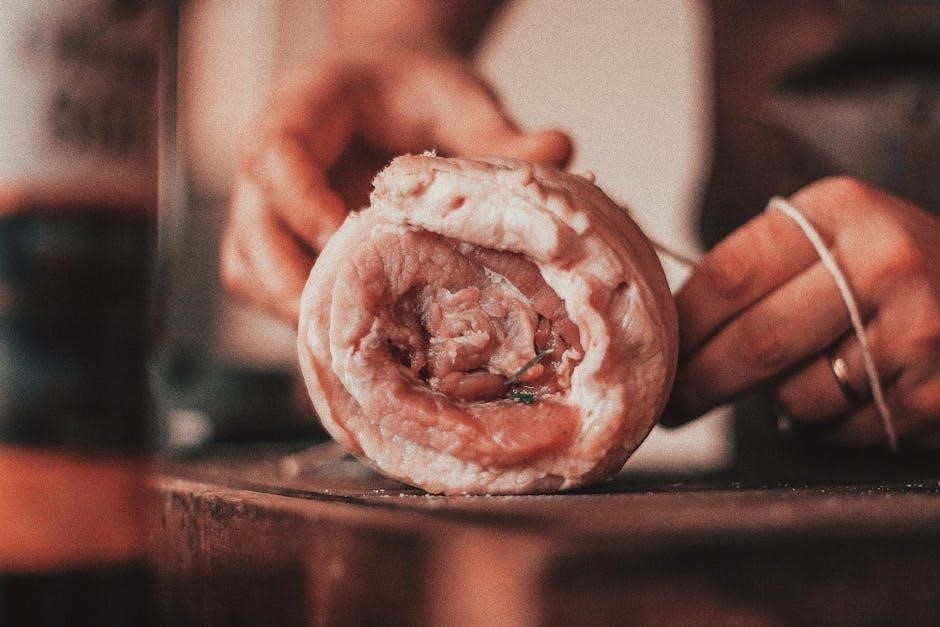
Marinating Smithfield pork tenderloin is a fantastic way to infuse it with incredible flavor and increase its tenderness. Marinades work by breaking down muscle fibers and allowing the flavors to penetrate deeply. A good marinade typically includes an acid (like citrus juice or vinegar), oil, and seasonings.
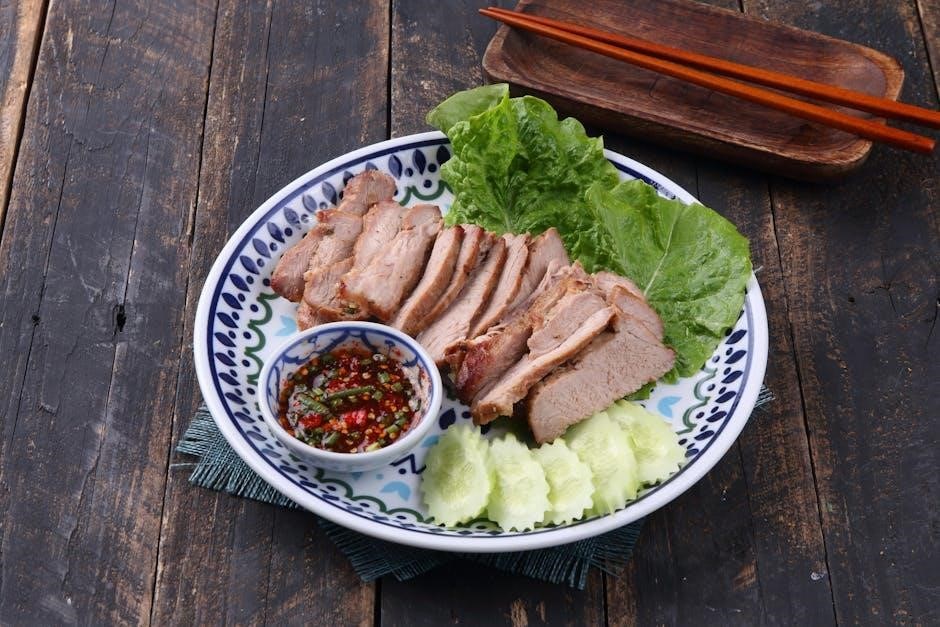
Allow the tenderloin to marinate for at least 30 minutes, but ideally for several hours, or even overnight in the refrigerator. Use a resealable bag or a non-reactive container. Remember to discard the marinade after use; do not reuse it.
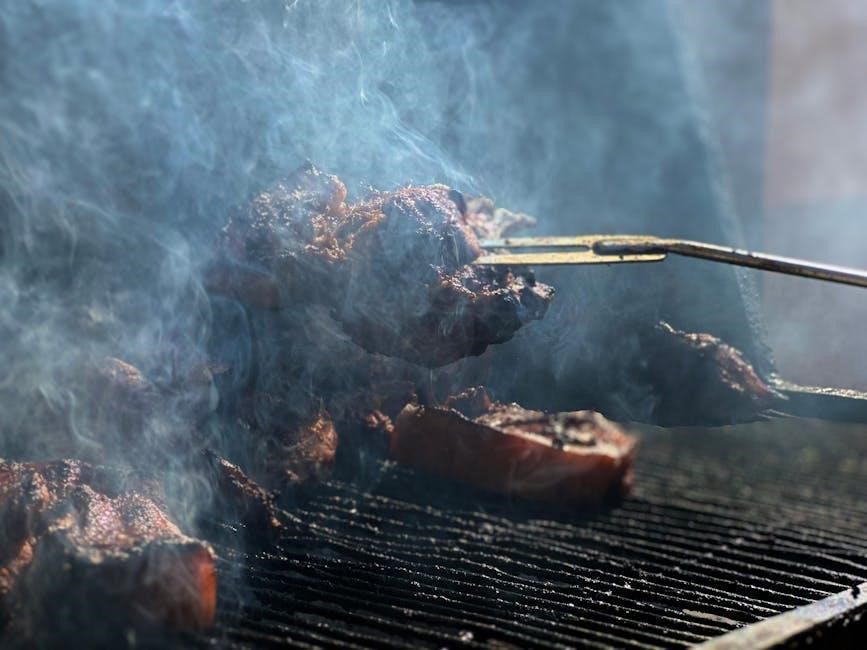
Marinating transforms a simple cut into a culinary delight, elevating your Smithfield pork tenderloin to new heights of deliciousness.
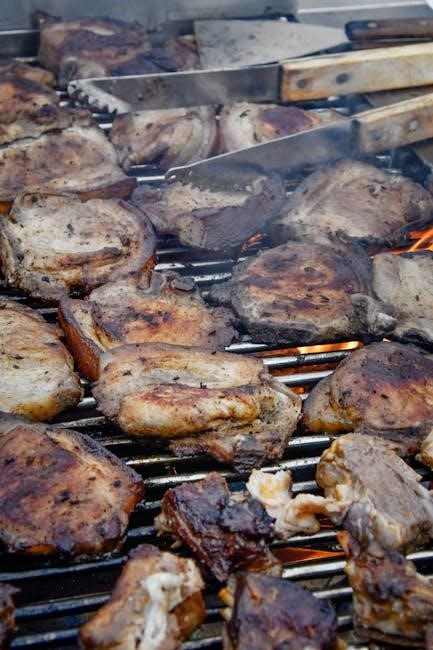
Marinade Recipes: Sweet & Savory
For a delightful sweet and savory experience, combine 1/4 cup soy sauce, 2 tablespoons brown sugar, 1 tablespoon honey, 1 tablespoon Dijon mustard, 2 cloves minced garlic, 1 teaspoon ginger, and a pinch of red pepper flakes. This marinade creates a beautiful glaze during cooking.
Alternatively, try a maple-bourbon marinade: whisk together 1/4 cup maple syrup, 2 tablespoons bourbon, 1 tablespoon olive oil, 1 tablespoon apple cider vinegar, 1 teaspoon smoked paprika, and 1/2 teaspoon black pepper.
These marinades complement Smithfield pork tenderloin beautifully, offering a balanced flavor profile that’s sure to impress. Marinate for at least 4 hours for optimal results, ensuring a tender and flavorful final product.
Marinade Recipes: Herb & Spice
Elevate your Smithfield pork tenderloin with vibrant herb and spice combinations. A classic rosemary-garlic marinade consists of 1/4 cup olive oil, 2 tablespoons chopped fresh rosemary, 4 cloves minced garlic, 1 tablespoon lemon juice, 1 teaspoon dried thyme, and salt and pepper to taste.
For a bolder flavor, try a chili-lime marinade: combine 1/4 cup olive oil, the juice of 2 limes, 1 tablespoon chili powder, 1 teaspoon cumin, 1/2 teaspoon smoked paprika, and a pinch of cayenne pepper.
These herbaceous blends infuse the pork with aromatic flavors. Marinate for a minimum of 4 hours, or ideally overnight, to allow the flavors to fully penetrate the tenderloin, resulting in a truly exceptional dish.
Cooking Methods
Smithfield pork tenderloin offers versatility in cooking. Oven roasting is a classic, yielding a juicy result – simply season and roast at 375°F (190°C) until it reaches an internal temperature of 145°F (63°C).
Pan-searing provides a quick, flavorful option; sear on all sides in a hot skillet, then finish in the oven. Grilling imparts a smoky perfection, ideal for warmer months.
For ultimate tenderness, consider slow cooking. This method requires low and slow heat for several hours, resulting in incredibly succulent pork. Each method delivers a unique experience, catering to different preferences and time constraints.
Oven Roasting: A Classic Approach
Oven roasting Smithfield pork tenderloin is a straightforward, reliable method. Preheat your oven to 375°F (190°C). Pat the tenderloin dry and season generously with your favorite spice rub or marinade. Place the tenderloin on a roasting rack in a baking pan.
Roast for approximately 20-25 minutes per pound, or until a meat thermometer inserted into the thickest part registers 145°F (63°C). Let the pork rest for 5-10 minutes before slicing against the grain. This allows the juices to redistribute, ensuring a tender and flavorful result.
For enhanced flavor, consider adding vegetables like potatoes and carrots to the pan during the last 30 minutes of roasting.
Pan-Searing: Quick and Flavorful
Pan-searing Smithfield pork tenderloin delivers a beautifully browned exterior and a juicy interior, quickly. Pat the tenderloin dry and season well. Heat 1-2 tablespoons of oil in a heavy-bottomed skillet over medium-high heat. Sear the tenderloin on all sides – about 2-3 minutes per side – until nicely browned.
Reduce heat to medium and continue cooking for another 5-7 minutes, or until a meat thermometer registers 145°F (63°C). Allow the pork to rest for 5-10 minutes before slicing. This technique is ideal for weeknight meals when time is limited, offering maximum flavor in minimal time.
Deglaze the pan with wine or broth for a quick sauce!
Grilling: Smoky Perfection
Grilling Smithfield pork tenderloin imparts a delicious smoky flavor and appealing grill marks. Preheat your grill to medium-high heat. Lightly oil the grill grates to prevent sticking. Season the tenderloin generously with your favorite spice rub or marinade. Place the tenderloin on the grill and cook for approximately 15-20 minutes, rotating every 5 minutes to ensure even cooking.
Use a meat thermometer to check for an internal temperature of 145°F (63°C). Let the pork rest for 5-10 minutes before slicing against the grain. Grilling is perfect for warm weather and adds a fantastic depth of flavor.
Consider using wood chips for enhanced smokiness!
Slow Cooking: Tender and Juicy
Slow cooking Smithfield pork tenderloin results in incredibly tender and juicy meat, perfect for busy weeknights. Place the tenderloin in a slow cooker and cover it with your preferred sauce, broth, or marinade. Cook on low for 4-6 hours, or on high for 2-3 hours, until the internal temperature reaches 145°F (63°C).
This method allows the flavors to meld beautifully, creating a deeply satisfying meal. Shred the pork for tacos, sandwiches, or serve it sliced with roasted vegetables. Slow cooking is ideal for maximizing flavor and minimizing effort.
Don’t forget to check the temperature!
Temperature and Timing
Achieving perfectly cooked Smithfield pork tenderloin hinges on precise temperature monitoring and timing. The USDA recommends an internal temperature of 145°F (63°C) for safe consumption, followed by a three-minute rest. Use a reliable meat thermometer inserted into the thickest part of the tenderloin to ensure accuracy.
Cooking times vary based on the tenderloin’s weight and chosen method. Generally, oven roasting takes 20-25 minutes per pound at 375°F (190°C). Pan-searing requires approximately 15-20 minutes, while slow cooking demands 4-6 hours on low. Always verify the internal temperature, not just the cooking time, for optimal results.
Internal Temperature Guidelines
Ensuring food safety and optimal tenderness requires strict adherence to internal temperature guidelines when cooking Smithfield pork tenderloin. The USDA mandates a minimum internal temperature of 145°F (63°C) for pork, allowing for a slightly pink center. This temperature effectively eliminates harmful bacteria while maintaining juiciness.
Utilize a calibrated meat thermometer, inserting it into the thickest portion of the tenderloin, avoiding bone or fat. Allow the thermometer to stabilize for an accurate reading. Remember to let the pork rest for at least three minutes after removing it from the heat; the temperature will continue to rise slightly during this period, reaching a safe and flavorful final result.
Cooking Times Based on Weight
Determining accurate cooking times for Smithfield pork tenderloin hinges on its weight, alongside the chosen cooking method. A 1-pound tenderloin typically requires 20-25 minutes when oven-roasted at 375°F (190°C), while pan-searing demands roughly 15-20 minutes. Grilling a 1-pound tenderloin takes approximately 18-22 minutes over medium heat.
For larger tenderloins, increase cooking time accordingly. A 2-pound tenderloin might need 30-40 minutes in the oven, 25-30 minutes when pan-seared, or 30-35 minutes on the grill. Always verify doneness with a meat thermometer, prioritizing internal temperature over estimated time. These are guidelines; adjust based on your oven and desired level of doneness.
Sauces and Glazes
Elevate your Smithfield pork tenderloin with complementary sauces and glazes, transforming a simple meal into a gourmet experience. Fruit-based glazes, like apricot or cherry, offer a sweet and tangy counterpoint to the pork’s richness. Wine-based sauces, utilizing reductions of red or white wine, provide sophisticated depth.
Don’t underestimate the power of spice rubs as flavor enhancers; a blend of paprika, garlic powder, and brown sugar creates a delightful crust; Consider a bourbon-peach glaze for a smoky sweetness, or a balsamic reduction for a touch of elegance. Experiment with different combinations to discover your perfect pairing, enhancing the natural flavors of the tenderloin.
Fruit-Based Glazes
Transform your Smithfield pork tenderloin with vibrant fruit-based glazes, adding a delightful sweetness and complexity. Apricot preserves, thinned with a touch of Dijon mustard and apple cider vinegar, create a classic glaze. Cherry preserves offer a richer, more intense flavor profile, pairing beautifully with a hint of spice.
Peach preserves, combined with bourbon and a dash of cayenne pepper, deliver a smoky-sweet kick; Pineapple glaze, infused with ginger and soy sauce, provides an exotic twist. These glazes not only enhance the flavor but also create a beautiful caramelized crust during the final minutes of cooking, elevating presentation and taste.
Wine-Based Sauces
Elevate your Smithfield pork tenderloin with sophisticated wine-based sauces, adding depth and richness to your meal. A classic red wine reduction, simmered with shallots, beef broth, and a sprig of thyme, creates a robust and savory accompaniment. Dry white wine, deglazing the pan after searing, forms the base for a delicate sauce with cream and lemon juice.
Rosé wine, combined with raspberries and a touch of balsamic vinegar, offers a fruity and slightly tart counterpoint to the pork’s richness. Port wine, reduced with figs and a hint of cinnamon, delivers a luxurious and sweet-savory experience. These sauces complement the tenderloin beautifully, enhancing its natural flavors.
Spice Rubs as Flavor Enhancers
Transform your Smithfield pork tenderloin with vibrant spice rubs, creating layers of flavor that penetrate the meat during cooking. A smoky paprika-based rub, combined with garlic powder, onion powder, and a touch of cayenne pepper, delivers a classic barbecue profile. For a bolder taste, explore a blend of cumin, coriander, chili powder, and smoked sea salt.
Herbes de Provence, with its fragrant mix of rosemary, thyme, and savory, offers a Mediterranean flair. A sweet and spicy rub, featuring brown sugar, cinnamon, and a pinch of chipotle powder, provides a delightful contrast. Apply the rub generously before marinating or cooking, ensuring even coverage for maximum impact and a truly flavorful experience.
Serving Suggestions
Elevate your Smithfield pork tenderloin experience with thoughtfully paired side dishes. Roasted root vegetables, like sweet potatoes and parsnips, complement the pork’s richness beautifully. A vibrant green salad with a light vinaigrette provides a refreshing counterpoint. Creamy mashed potatoes or a wild rice pilaf offer comforting textures.
For presentation, slice the tenderloin against the grain for maximum tenderness. Garnish with fresh herbs, such as rosemary or thyme, and a drizzle of pan sauce or glaze. Consider a fruit chutney or compote to enhance the sweetness. A simple yet elegant plating style showcases the pork’s natural appeal, creating a memorable dining experience.
Pairing with Side Dishes
Smithfield pork tenderloin’s delicate flavor profile lends itself to a wide array of side dish pairings. For a classic combination, consider roasted Brussels sprouts with balsamic glaze, offering a delightful sweet and savory contrast. Creamy polenta or risotto provides a comforting base, while garlic mashed potatoes are always a crowd-pleaser.
To brighten the plate, incorporate seasonal vegetables like asparagus, green beans, or a colorful slaw. Fruit-based sides, such as apple chutney or pear and walnut salad, complement the pork’s sweetness. Don’t forget the starch – quinoa, couscous, or roasted potatoes complete the meal, creating a balanced and satisfying dining experience.
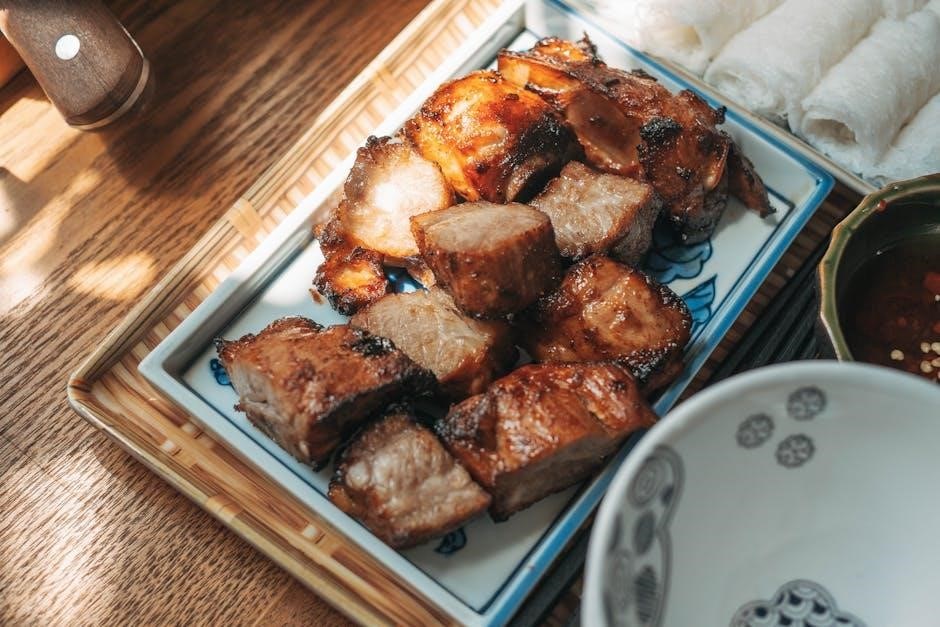
Presentation Ideas
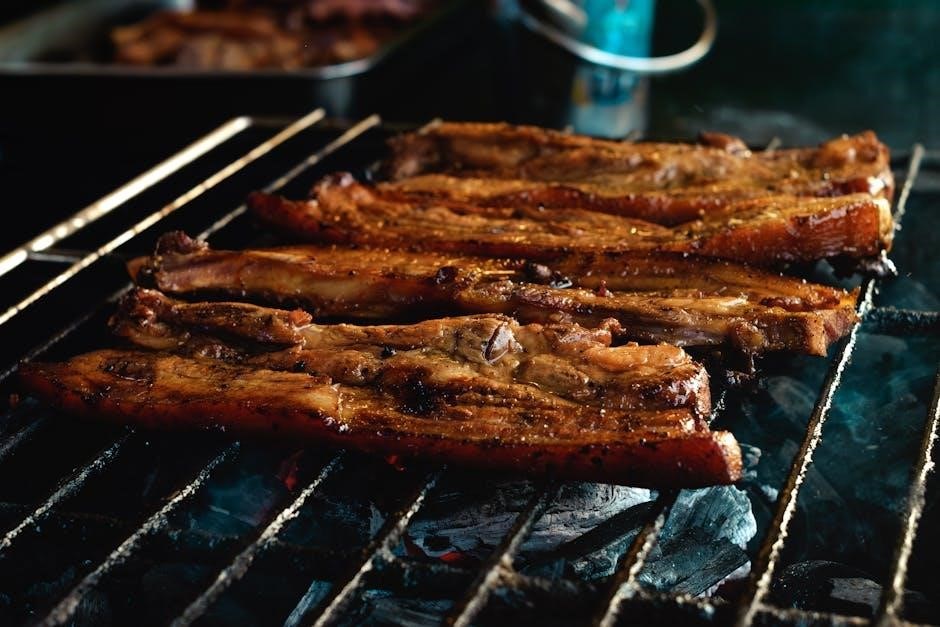
Elevate your Smithfield pork tenderloin presentation with thoughtful garnishes and plating techniques. Sliced tenderloin arranged artfully on a bed of vibrant greens immediately enhances visual appeal. A drizzle of pan sauce or glaze adds both flavor and a glossy finish. Consider scattering fresh herbs – rosemary, thyme, or parsley – for a pop of color and aroma.
For a rustic touch, serve the pork on a wooden cutting board alongside colorful roasted vegetables. Individual portions plated with a side of creamy mashed potatoes create an elegant look. Don’t underestimate the power of height; stacking elements adds dimension. A simple sprig of rosemary tucked into the sliced pork offers a final, refined detail.
Safety and Storage
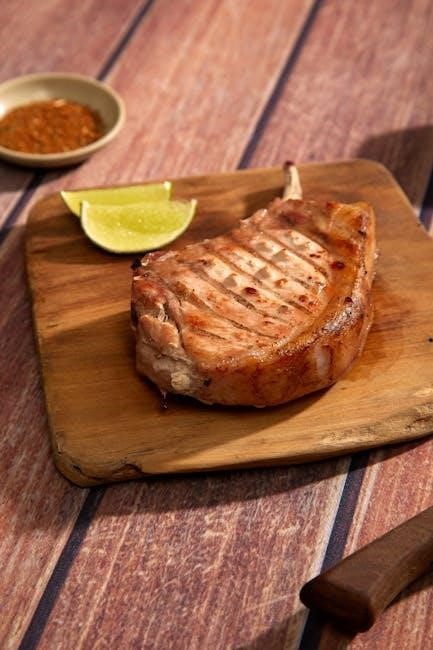
Prioritize food safety when handling Smithfield pork tenderloin. Always wash hands thoroughly with soap and water before and after contact with raw pork. Prevent cross-contamination by using separate cutting boards and utensils for raw meat and other foods. Ensure pork is cooked to an internal temperature of 145°F (63°C) as measured with a food thermometer.
Leftover cooked pork should be refrigerated within two hours, stored in airtight containers. Properly stored leftovers are generally safe to consume for 3-4 days. When reheating, ensure the pork reaches an internal temperature of 165°F (74°C). Discard any pork that has been left at room temperature for more than two hours or shows signs of spoilage.
Safe Handling of Raw Pork
Maintaining impeccable hygiene is crucial when handling raw Smithfield pork tenderloin. Begin by thoroughly washing your hands with warm, soapy water for at least 20 seconds before and after touching the pork. Utilize dedicated cutting boards specifically for raw meats to avoid cross-contamination with produce or cooked foods. Always employ separate utensils – knives, tongs, etc. – for raw pork.
Carefully remove the pork from its packaging, avoiding contact with any potentially contaminated surfaces. Clean and sanitize all surfaces and utensils that have come into contact with the raw pork using hot, soapy water followed by a sanitizing solution. Never rinse raw pork, as this can spread bacteria. Proper handling minimizes risk and ensures a safe culinary experience.
Proper Storage of Leftovers
Promptly refrigerate any leftover Smithfield pork tenderloin within two hours of cooking. Divide larger portions into smaller, shallow containers to facilitate quicker cooling. This prevents bacterial growth. Properly stored cooked pork tenderloin will maintain optimal quality for approximately 3-4 days in the refrigerator, maintaining both flavor and safety.
Ensure the refrigerator temperature remains consistently at or below 40°F (4°C). For longer storage, consider freezing the cooked pork. Wrap it tightly in freezer-safe packaging, removing as much air as possible to prevent freezer burn. Frozen pork tenderloin can be stored for up to 2-3 months, preserving its deliciousness for future meals.
Resources and Further Information
Explore the official Smithfield website (www.smithfieldfoods.com) for a wealth of pork tenderloin recipes, cooking tips, and product information. Discover innovative ways to prepare and enjoy this versatile cut of meat, alongside seasonal inspiration and expert guidance. For comprehensive food safety guidelines, consult the USDA website (www.foodsafety.gov), ensuring safe handling and preparation practices.
Microsoft Support (https://support.microsoft.com/) offers assistance with various digital tools that can aid in recipe organization and meal planning. Utilize Microsoft 365 applications for creating shopping lists and tracking nutritional information. Remember to prioritize food safety and quality when utilizing online resources for culinary inspiration and guidance.
Smithfield Website & Recipes
Dive into Smithfield’s official website (www.smithfieldfoods.com) for an extensive collection of pork tenderloin recipes, ranging from quick weeknight meals to impressive dinner party dishes. You’ll find detailed cooking instructions, ingredient lists, and nutritional information for each recipe, catering to diverse tastes and skill levels. Smithfield frequently collaborates with partners like Stemilt Growers, offering unique recipe pairings – think sweet and savory combinations featuring fresh fruit alongside their pork.
Explore recipe filters to easily locate options based on cooking time, cuisine, or dietary preferences. Beyond recipes, the site provides valuable resources on pork preparation techniques, storage guidelines, and serving suggestions, empowering you to create memorable meals with Smithfield pork tenderloin.
Food Safety Guidelines (USDA)
Prioritize food safety when handling Smithfield pork tenderloin by adhering to USDA guidelines. Always cook pork to an internal temperature of 145°F (63°C), measured with a food thermometer inserted into the thickest part. Ensure proper thawing – ideally in the refrigerator, never at room temperature – to prevent bacterial growth. Thoroughly wash hands, cutting boards, and utensils after contact with raw pork.
Safe storage is crucial; refrigerate leftovers within two hours and consume within 3-4 days. The USDA website (www.foodsafety.gov) offers comprehensive resources on safe food handling practices, including detailed charts for cooking temperatures and storage times. Following these guidelines minimizes the risk of foodborne illness and ensures a safe and enjoyable dining experience with Smithfield pork.